
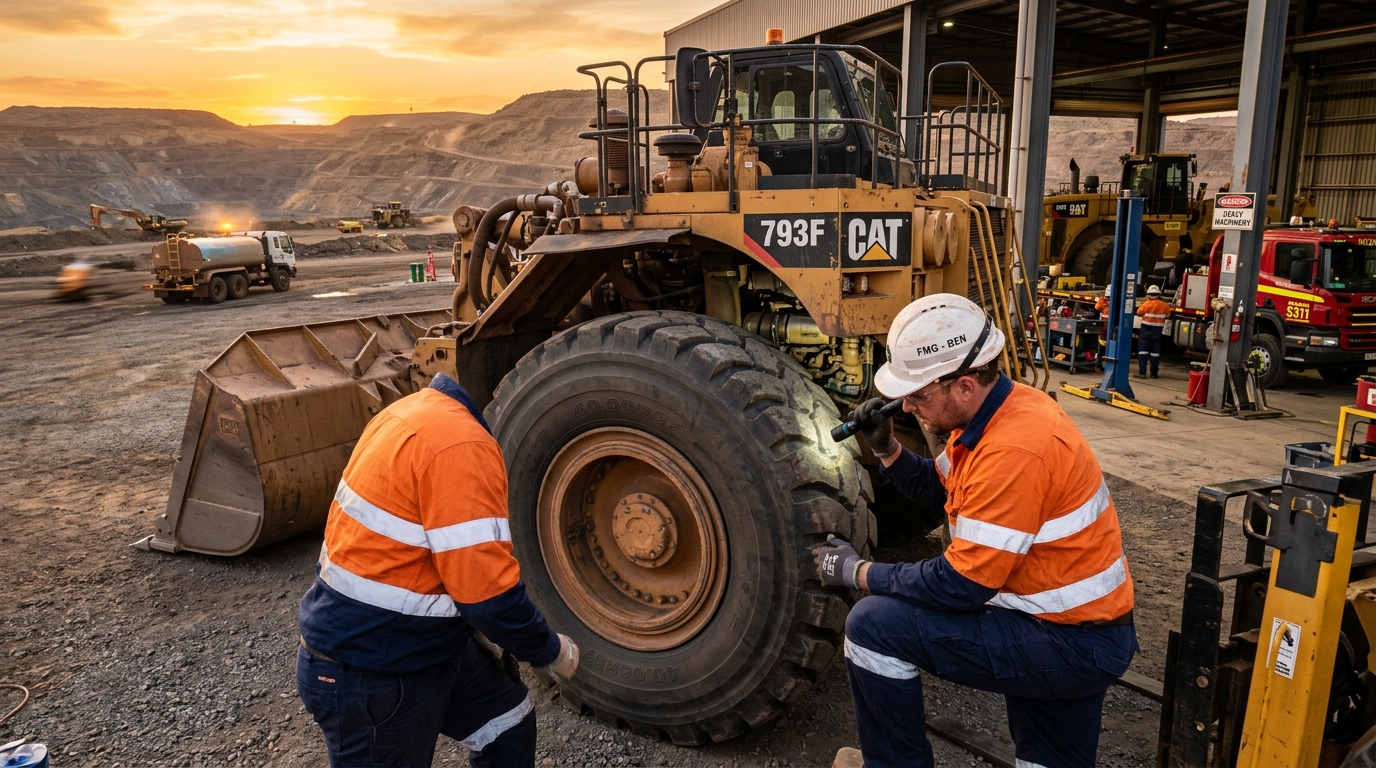
For thousands of Australian construction professionals, civil engineers, project managers, and skilled tradespeople, the decision between pursuing high-remuneration Fly-In Fly-Out (FIFO) assignments or maintaining stability on metropolitan commercial projects is one of the most critical lifestyle and financial decisions of their careers. While remote resource construction offers rapid wealth accumulation, it demands rigorous lifestyle discipline, personal resilience, and a defined long-term exit strategy.
The Modern FIFO Landscape: Beyond the Myths
Australia’s resource and heavy civil construction corridors—concentrated prominently in Western Australia’s Pilbara and Goldfields, Queensland’s Bowen and Surat Basins, and the resource-rich regions of South Australia and the Northern Territory—rely on airborne workforces mobilized primarily from capital cities like Perth, Brisbane, Adelaide, and Cairns.
Contrary to outdated stereotypes of harsh, primitive outback camps, modern Australian tier-1 accommodation villages (operated by village management leaders such as ESS, Sodexo, and Civeo) increasingly resemble full-service regional hubs. Many feature Olympic-length swimming pools, multi-sport gymnasiums with personal trainers, high-speed Starlink Wi-Fi connections, and premium commercial dining menus designed to support holistic workforce health.
Roster Structures: The Heart of the FIFO Lifestyle
Your roster dictates your physical recovery, family relationships, and overall career sustainability. In the Australian heavy civil and infrastructure sector, several standard roster patterns prevail:
| Roster Format | Days On Site / Days Home | Annual Weeks Worked | Pros & Lifestyle Suitability | Key Challenges |
|---|---|---|---|---|
| 8:6 Even-Time | 8 Days On / 6 Days Off | ~30 Weeks | Best work-life balance; regular family rhythm; sustainable for decades | Slightly lower annual gross earnings than high-compression rosters |
| 2:1 Standard Roster | 14 Days On / 7 Days Off | ~35 Weeks | Substantial penalty earnings; 1 full uninterrupted week off per cycle | Fatigue peaks between days 10–14; missing weekend events at home |
| 3:1 Construction Intensive | 21 Days On / 7 Days Off | ~39 Weeks | Maximum financial velocity; massive project completion bonuses | High cumulative fatigue; tough on relationships; rarely sustainable long-term |
| 4:3 Engineering Roster | 4 Days On / 3 Days Off | ~48 Weeks | Home every single weekend; frequent city presence | Extensive weekly transit fatigue; requires living within rapid flight zones |
Financial Comparison: The True Earnings Differential
While base rates for civil engineers and supervisors on city-based projects in Sydney, Melbourne, and Brisbane are historically strong, FIFO packages incorporate extensive allowances, uplift loadings, and remote retention bonuses:
1. Remote Project Uplift (20% – 45%)
A Senior Project Engineer earning $150,000 base in metropolitan civil construction will typically command $195,000 to $240,000 + superannuation for an equivalent 2:1 FIFO roster in the Pilbara or regional Queensland.
2. Elimination of Daily Living Costs
While on site, 100% of accommodation, utilities, meals, gym access, and laundry are provided at zero cost to the worker. A professional on an 8:6 or 2:1 roster spends roughly 50% to 65% of the calendar year with zero personal grocery, electricity, or transport expenses.
3. Zone Tax Offset (ZTO)
Workers who reside in designated remote geographical zones in Australia (Zone A and Zone B as defined by the Australian Taxation Office) for more than 183 days during an income year may be entitled to claim tax offsets, further enhancing net take-home remuneration.
Financial Health Strategy: Avoid the “Golden Handcuffs”
The greatest psychological trap in the Australian FIFO sector is lifestyle inflation. When monthly pay deposits double, many workers commit to massive mortgages, luxury vehicles, and high recurring expenses that effectively force them to remain on remote rosters against their personal wellbeing. Set an explicit financial target (e.g. mortgage pay-down, investment portfolio accumulation) and a firm timeline (such as 3 to 5 years) before taking your first FIFO appointment.
Metropolitan Construction: The Long-Term Professional Advantages
Despite the lower baseline package, metropolitan construction careers in Australia offer profound strategic career advantages that remote FIFO cannot replicate:
1. Sustainable Family Integration
Sleeping in your own bed every night, attending school sport on Saturday mornings, and maintaining active social networks within your local community eliminates the emotional strain of long-distance family management.
2. Relationship Capital and Executive Networking
The highest executive appointments in Australian construction (General Managers, State Directors, Pre-Contracts Leads) are won through relational capital cultivated over coffee, industry association events (such as Master Builders Australia, Engineers Australia, or Property Council of Australia dinners), and regular face-to-face client collaboration in CBD headquarters.
3. Complex Urban Engineering Mastery
Metropolitan builds involve extreme logistical constraints: working above live electrified railway corridors, managing tight pedestrian easements, navigating heritage preservation mandates, and handling complex public stakeholder interfaces. This specialized capability is universally prized across tier-1 head contractors.
Mental Health, Wellbeing, and Support Frameworks
The combination of long physical shifts (typically 12-hour days on site), geographic isolation from loved ones, extreme summer heat in regional Australia (often exceeding 42°C), and shifting roster rhythms places substantial demands on mental health.
Industry leaders partner with organizations like MATES in Construction to establish peer-support suicide prevention and mental wellbeing networks across remote sites. Leading contractors now actively mandate fatigue management policies, limit consecutive working hours, provide confidential Employee Assistance Programs (EAP), and offer structured wellness workshops in accommodation camps.
Creating a Strategic Career Transition Blueprint
The most successful Australian construction professionals treat FIFO not as a permanent destination, but as a high-powered career accelerator:
- Stage 1 (Years 1–4): Enter remote infrastructure or mining construction early in your career to build intense delivery experience, rapidly accumulate capital, and take on high-responsibility packages ahead of your metro peers.
- Stage 2 (Years 5–7): Leverage your heavy site delivery credentials to transition into senior packages, demonstrating commercial mastery and risk oversight.
- Stage 3 (Long-Term): Return to capital city commercial or infrastructure delivery at a senior management level, bringing proven resilience, leadership, and crisis-management capabilities into corporate operations.
Frequently Asked Questions
Do FIFO workers have to pay for their own flights?
On legitimate Australian tier-1 and tier-2 projects, employer-provided flights are fully covered from designated “Point of Hire” capital cities (usually Perth for WA sites, Brisbane or Cairns for QLD sites, and Adelaide for SA/NT sites). Flights from rural homes to the Point of Hire airport are generally the employee’s responsibility.
Can graduate engineers start their careers in FIFO?
Yes. Major contracting firms (such as CPB, John Holland, Monadelphous, and Downer) operate structured graduate rotational programs that explicitly feature remote site postings. Starting in FIFO provides graduates with unparalleled early site management responsibility.

